



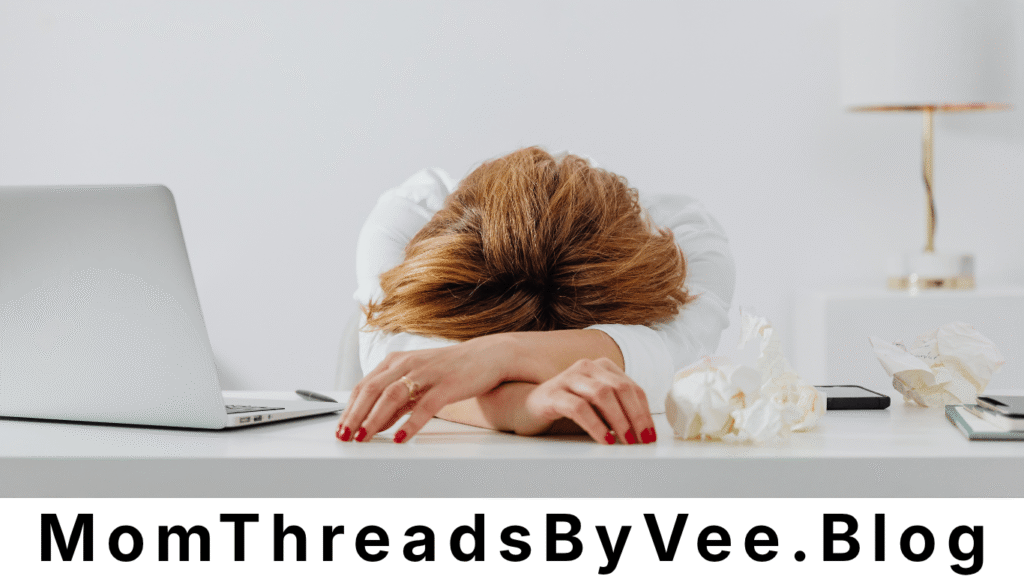
Motherhood is one of the most rewarding journeys in life, but it can also be one of the most exhausting.
Between caring for children, managing a household, supporting a partner, handling work responsibilities, and trying to maintain some sense of personal identity, many moms find themselves running on empty.
Yet despite feeling overwhelmed, countless mothers continue pushing through because they believe they should be able to “handle it all.”
The truth is that burnout doesn’t happen because you’re weak. It happens because you’ve been strong for too long without enough support, rest, or recovery.
If you’ve been feeling exhausted, irritable, emotionally drained, or like you’re constantly giving to everyone else while neglecting yourself, you’re not alone.
Let’s talk about how to avoid burnout as a mom without carrying the heavy burden of guilt.

What Is Mom Burnout?
Mom burnout is a state of emotional, mental, and physical exhaustion caused by prolonged stress and overwhelming responsibilities.
Unlike a bad day or a tiring week, burnout doesn’t disappear after a single good night’s sleep.
Common signs of mom burnout include:
- Constant exhaustion
- Feeling emotionally numb
- Increased irritability
- Lack of motivation
- Frequent headaches or body aches
- Difficulty concentrating
- Feeling detached from your family
- Increased anxiety or sadness
- Resenting everyday responsibilities
Many mothers don’t realize they’re experiencing burnout until they’re already deep in it.
That’s why prevention is so important.

Why Moms Feel Guilty About Taking Care of Themselves
Before we discuss solutions, let’s address the guilt.
Many women were raised to believe that a “good mom” always puts everyone else first.
As a result, moms often feel guilty when they:
- Rest
- Ask for help
- Spend money on themselves
- Take breaks
- Say no
- Prioritize their mental health
But here’s the reality:
You cannot pour from an empty cup.
Taking care of yourself isn’t selfish. It’s necessary.
Your family benefits when you’re healthy, emotionally available, and mentally rested.
Self-care is not abandoning your responsibilities. It’s maintaining your ability to fulfill them.
1. Stop Trying to Be the Perfect Mom
Perfection is one of the fastest paths to burnout.
Social media often shows spotless homes, happy children, healthy meals, and productive routines.
What it doesn’t show are the messy moments behind the scenes.
Your children do not need a perfect mother.
They need a present one.
Some days dinner may be simple,some days laundry may wait and on some days screen time may last longer than planned.
That’s okay.
Focus on being a good enough mom instead of a perfect one.
2. Learn to Say No Without Explaining Yourself
One major cause of burnout is overcommitting.
Many moms say yes to:
- Extra school responsibilities
- Family obligations
- Church activities
- Social events
- Volunteer work
Even when they’re already overwhelmed.
Every “yes” takes energy.
Protect your time by learning to say:
- “I can’t commit to that right now.”
- “My schedule is full.”
- “Maybe another time.”
You don’t need a lengthy explanation.
A respectful no is enough.
3. Create Small Daily Recovery Moments
Many moms think self-care requires spa days and weekend getaways.
While those are wonderful, they’re not always realistic.
Instead, focus on mini recovery moments throughout the day.
Examples include:
- Drinking your coffee while it’s hot
- Reading for 10 minutes
- Taking a short walk
- Listening to music
- Sitting quietly after bedtime
These small pauses help your nervous system recover from stress.
4. Share the Mental Load
The mental load includes all the invisible tasks moms carry:
- Scheduling appointments
- Remembering birthdays
- Tracking school activities
- Planning meals
- Managing household supplies
Even when others help physically, moms often carry the planning burden alone.
Start delegating complete responsibilities rather than individual tasks.
Instead of asking someone to help with dinner, ask them to fully manage dinner one night each week.
Sharing responsibility reduces stress significantly.
5. Prioritize Sleep Whenever Possible
Sleep deprivation makes burnout worse.
Poor sleep affects:
- Mood
- Patience
- Energy
- Focus
- Emotional resilience
While uninterrupted sleep isn’t always possible with young children, aim to improve sleep quality by:
- Limiting late-night scrolling
- Creating a bedtime routine
- Going to bed earlier when possible
- Reducing caffeine late in the day
Better sleep improves nearly every aspect of motherhood.
6. Lower Household Standards During Busy Seasons
Every family experiences busy seasons.
- New babies.
- Illness.
- School holidays.
- Work deadlines.
During these periods, simplify wherever possible.
Ask yourself:
“What absolutely must be done today?”
Focus on essentials and let the rest wait.
A clean-enough home is often better than an exhausted mother.
7. Build a Support System
Motherhood was never meant to be done alone.
Look for support through:
- Family
- Friends
- Parent groups
- Church communities
- Online mom communities
Even one supportive relationship can make a significant difference.
Don’t wait until you’re overwhelmed to ask for help.

8. Schedule Time for Yourself Without Apologizing
Many moms schedule appointments for everyone else but never schedule time for themselves.
Treat personal time as a real commitment.
Put it on the calendar.
Whether it’s:
- Exercise
- Reading
- A hobby
- Coffee with a friend
- Quiet reflection
Protect that time.
You deserve care too.
9. Stop Measuring Yourself Against Other Moms
Comparison steals joy and fuels burnout.
Every family has different:
- Resources
- Challenges
- Temperaments
- Priorities
What works for another mom may not work for you.
Focus on what serves your family rather than trying to match someone else’s life.
10. Practice Asking for Help Earlier
Many moms wait until they’re completely overwhelmed before reaching out.
Instead, ask for support before reaching your breaking point.
Help can look like:
- Babysitting
- Meal support
- Household assistance
- Emotional encouragement
Strong moms ask for help.
They don’t carry everything alone.
11. Make Space for Things That Bring You Joy
Motherhood is important, but it’s not your entire identity.
Reconnect with activities that make you feel like yourself.
Maybe it’s:
- Writing
- Gardening
- Fashion
- Photography
- Baking
- Reading
Joy isn’t a luxury.
It’s fuel.

12. Remember That Rest Is Productive
Many mothers associate productivity with constant activity.
But rest serves a purpose.
- Rest helps your body recover.
- Rest improves emotional regulation.
- Rest prevents resentment.
- Rest protects your mental health.
Sometimes the most productive thing you can do is take a break.
A Gentle Reminder for Every Mom
If you’re feeling overwhelmed right now, take this as your reminder:
- You do not have to earn rest.
- You do not have to prove your worth through exhaustion.
- You do not have to carry everything by yourself.
The goal isn’t to become a perfect mother.
The goal is to become a healthy, present, and emotionally available one.
When you take care of yourself, you’re not taking away from your family.
You’re giving them the best version of you.
And that’s something you never need to feel guilty about.
Frequently Asked Questions
Mom burnout is typically caused by prolonged stress, lack of support, constant caregiving responsibilities, sleep deprivation, and the pressure to meet unrealistic expectations.
Many mothers juggle parenting, household management, work, and family obligations simultaneously, leaving little time for rest or recovery. Over time, this mental, emotional, and physical strain can lead to burnout.
Common signs of mom burnout include constant exhaustion, irritability, emotional numbness, difficulty concentrating, lack of motivation, feeling overwhelmed by simple tasks, and resentment toward responsibilities you once enjoyed.
If rest doesn’t seem to help and you’re feeling emotionally drained most days, burnout may be a factor.
Absolutely. Stay-at-home moms often face around-the-clock caregiving responsibilities without regular breaks, sick days, or clear boundaries between work and personal time. The emotional and mental load of managing a household and caring for children can be just as demanding as a traditional job, making burnout a common challenge.
No. Taking time for yourself is not selfish—it’s necessary. Self-care helps you recharge physically and emotionally, allowing you to show up as a more patient, present, and healthy parent. When you prioritize your well-being, your entire family benefits.
Start by reminding yourself that rest is a need, not a reward. Many mothers feel guilty because they believe they must always be productive or available.
Reframing self-care as an essential part of good parenting can help reduce guilt. Taking breaks allows you to maintain your mental health and avoid burnout in the long run.
Recovery varies depending on the severity of burnout and the support available to you. Some moms may notice improvement within a few weeks after making lifestyle changes, while others may need several months to fully recover. Consistent rest, support, healthier boundaries, and self-care habits can significantly speed up the recovery process.
Yes. Working moms may struggle with balancing professional responsibilities and family life, while stay-at-home moms often deal with isolation, lack of personal time, and constant caregiving demands.
Although the causes may differ, both groups can experience similar feelings of exhaustion, overwhelm, and emotional depletion.
The best self-care activities are the ones you can realistically maintain. Simple options include taking a short walk, reading for a few minutes, journaling, exercising, enjoying a hobby, spending time with friends, practicing mindfulness, or simply sitting quietly with a cup of coffee. Consistency matters more than the activity itself.
Stress usually involves feeling overwhelmed by too many responsibilities, while burnout is a deeper state of emotional, mental, and physical exhaustion. Stress often feels like “too much,” whereas burnout can feel like “nothing left to give.” Recognizing the difference can help you take action before burnout becomes severe.
Final Thoughts
Burnout doesn’t happen overnight, and recovery doesn’t happen overnight either.
Start small.
Choose one or two strategies from this list and begin implementing them this week.
Small changes consistently practiced often create the biggest transformation.
Motherhood is a marathon, not a sprint.
Protecting your well-being isn’t selfish—it’s one of the most loving things you can do for yourself and your family.
Save This Mom Tip on Pinterest


You May Also Like:
50 Screen-Free Activities for Kids (2026 Guide for Parents Who Want Less Screen Time)
How to Reduce Your Child’s Screen Time Without Daily Battles (2026 Mom’s Guide)
From Store Owner to Mompreneur: Building a Career Lily Pad
Back-to-School Morning Routine for Moms with School-Aged Kids
Daily Routine for Stay-at-Home Moms (With Kids Under 5): A Realistic & Productive Guide