Back-to-school season can feel exciting, overwhelming, and expensive all at once.
Between school supplies, uniforms, shoes, lunch boxes, technology, personal-care items, and all the little things kids suddenly seem to need, it is easy to forget something important or spend money on things that never get used.
The good news is that getting your child ready for school does not have to be stressful.
With a little planning and a practical back-to-school essentials checklist, you can organize what your child needs, shop within your budget, prepare their school items, and make the transition into a new school year much smoother.
This complete guide covers the most important back-to-school essentials for kids, from school supplies and clothing to lunch, organization, technology, personal items, and everyday school-day necessities.
Whether your child is starting a new school year, moving to a new grade, or simply needs a complete refresh, use this guide as your starting point.
What Are the Most Important Back-to-School Essentials for Kids?
The exact things your child needs will depend on their age, school, grade level, activities, and school policies.
However, most children will need essentials from several basic categories:
- School supplies
- School uniforms and clothing
- Shoes and socks
- Backpack and school bags
- Lunch and water bottles
- Personal-care items
- Technology and study tools
- Organization supplies
- Sports and activity items
- Homework and study essentials
- Emergency or backup items
Before buying everything on a traditional school supply list, check your child’s school requirements first.
Some schools provide certain materials, while others have very specific requirements for notebooks, uniforms, technology, or classroom supplies.
The goal isn’t to buy everything you can find in a store.
The goal is to make sure your child has what they actually need to have a comfortable, organized, and successful school year.
- School Supplies Every Child May Need
School supplies are usually the first thing parents think about when preparing for a new school year.
Depending on your child’s grade, some of these items may be essential while others may not be necessary.
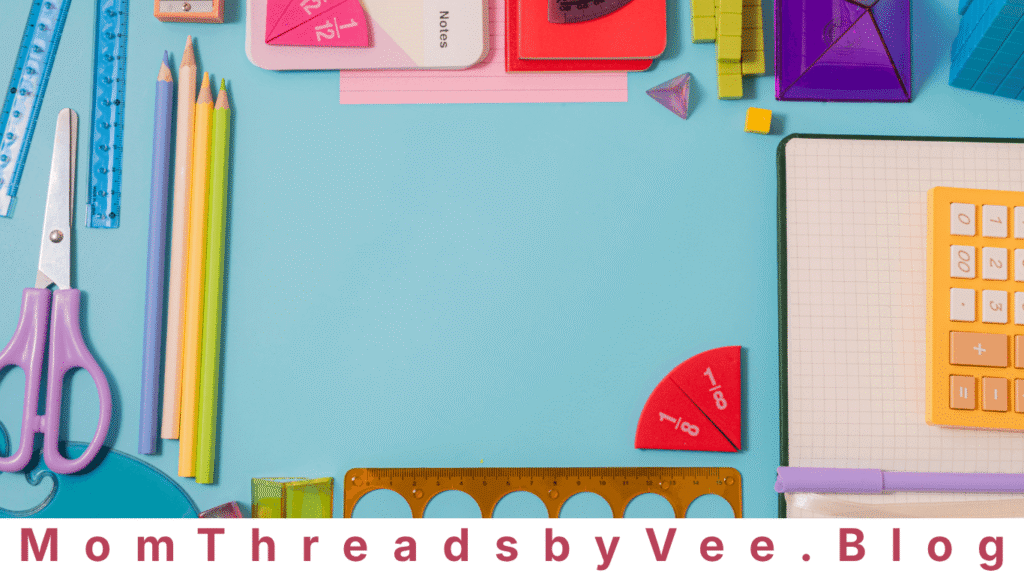
Basic school supplies
Consider the following:
- Exercise books or notebooks
- Pencils
- Pens
- Erasers
- Pencil sharpeners
- Rulers
- Colored pencils
- Crayons
- Markers
- Highlighters
- Glue sticks
- Safety scissors
- Pencil cases
- Folders
- File organizers
- Sticky notes
- Drawing or art supplies
- Geometry set or mathematical instruments
- Calculator, if required
- School planner or academic diary
You don’t necessarily need to buy every item at once.
Start with the school’s official supply list, then check what your child already has at home.
Reusing perfectly good supplies is one of the easiest ways to reduce back-to-school shopping costs.
Mom’s tip
Before shopping, create three categories:
Already have → Need to buy → Optional
This simple system can prevent duplicate purchases and help you stay within your budget.
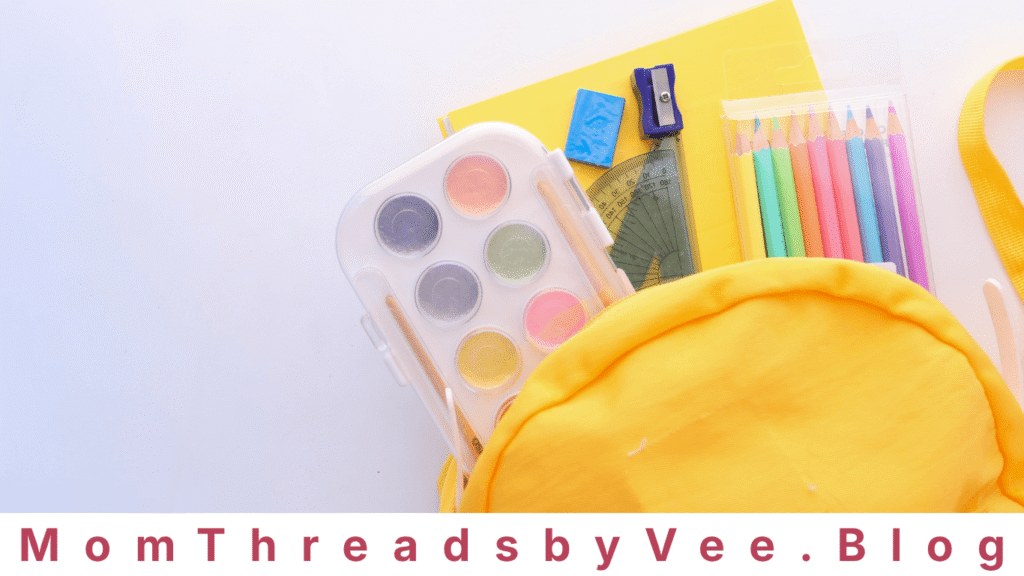
- A Good Backpack Is a Back-to-School Essential
A backpack is one of the most-used items your child will carry throughout the school year, so choose practicality over appearance alone.
Look for a backpack that:
- Is appropriate for your child’s size
- Has comfortable shoulder straps
- Has enough compartments for school supplies
- Can hold the child’s everyday essentials
- Is made from durable material
- Is easy for your child to open and close
- Can be cleaned easily
For younger children especially, a complicated bag with too many compartments may be frustrating.
For older students, multiple compartments can make it easier to separate books, stationery, electronics, and personal items.
Don’t forget the small bag essentials
Depending on the child’s age and school rules, a backpack may also carry:
- Pencil case
- Water bottle
- Lunch box
- Small umbrella or rain protection
- Tissues
- Hand sanitizer, where appropriate
- Homework folder
- Reading book
- School identification materials
Avoid overloading the backpack with unnecessary items.
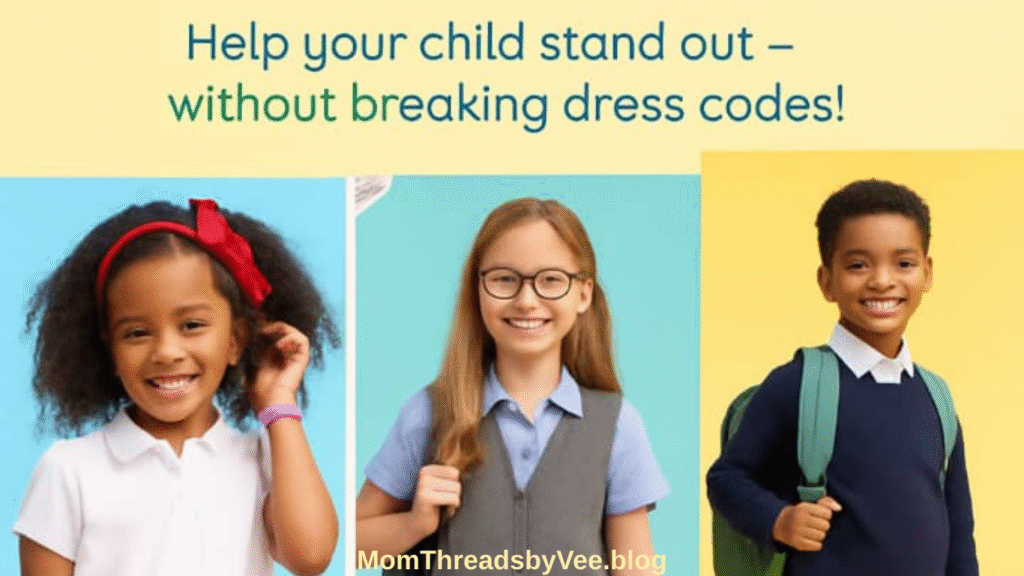
- School Uniforms and Everyday Clothing
If your child’s school requires a uniform, check the school’s current uniform requirements before shopping.
A practical school wardrobe may include:
- School shirts or blouses
- Trousers, skirts, or shorts
- School sweaters
- Jackets or cardigans
- Sportswear
- School socks
- Appropriate undergarments
- School shoes
- Sports shoes
- Hair accessories where appropriate
- Weather-appropriate outerwear
If your budget allows, having a few uniform combinations can make laundry and school-morning preparation easier.
Think beyond the first week
When buying children’s school clothes, don’t only think about how they look when they’re new.
Consider:
- How often they will be washed
- Whether the fabric is durable
- Whether stains will be easy to remove
- Whether your child can move comfortably
- Whether the clothes are appropriate for the school’s activities
For children who have non-uniform days or school spirit events, you may also want to prepare a few fun outfit ideas.
Related: Check out our guide to “10 Stylish School Uniform Fashion Hacks for Kids” for simple ways to make school outfits more practical and stylish.
- Shoes and Socks Matter More Than You Think
School shoes get plenty of wear, so comfort and durability are important.
Depending on the school’s requirements, your child may need:
- Everyday school shoes
- Sports shoes
- Sandals or alternative footwear where permitted
- Several pairs of school socks
- Sports socks
Try to avoid buying shoes based solely on appearance.
Children spend long periods walking, standing, playing, and participating in school activities. Shoes should be comfortable and appropriate for the activities your child will actually do.
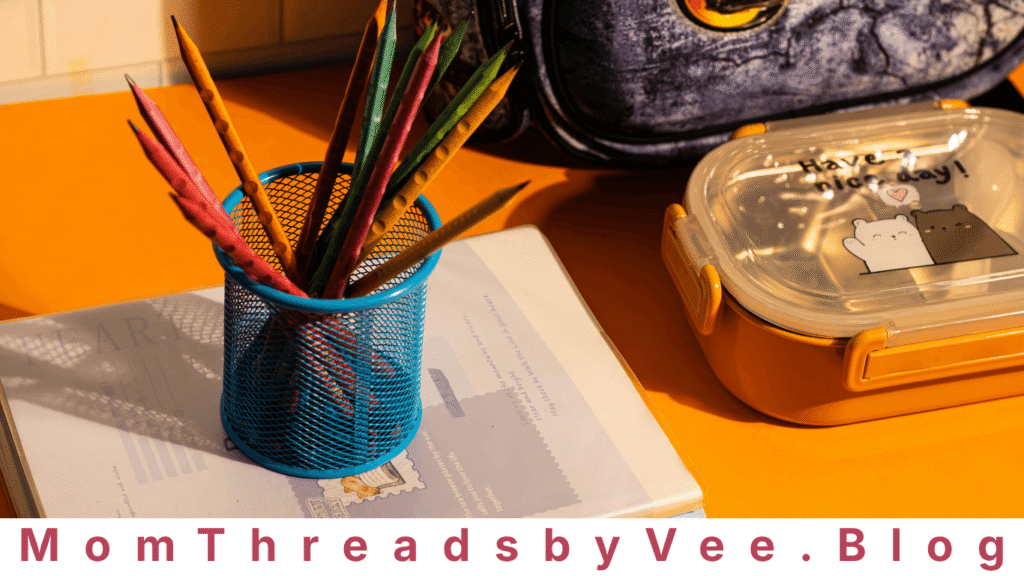
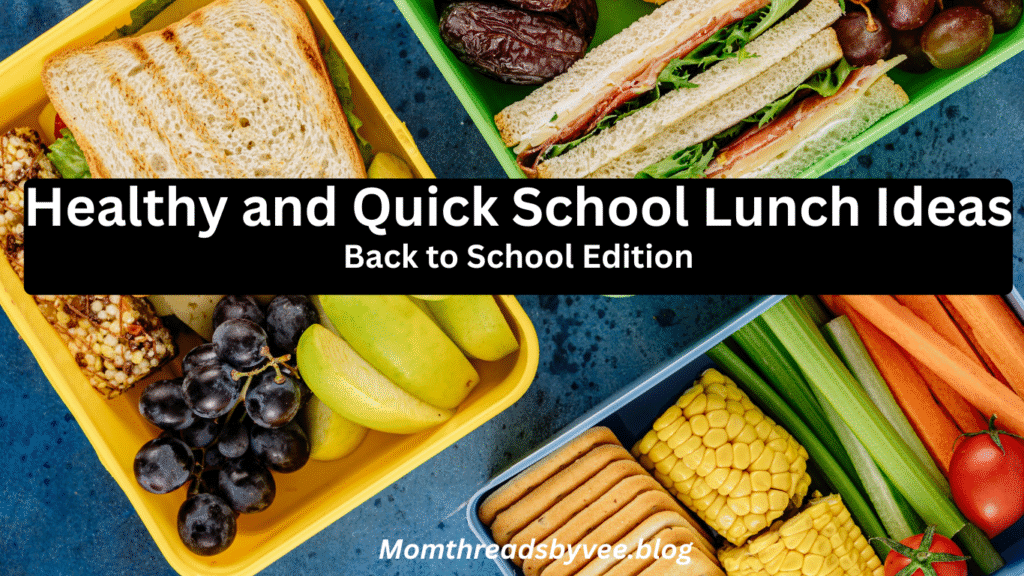
- Lunch Box and Healthy School Lunch Essentials
A good school lunch setup can make busy mornings much easier.
Depending on your child’s age and school arrangements, consider:
- Lunch box
- Reusable water bottle
- Food containers
- Snack container
- Reusable utensils
- Insulated lunch bag if necessary
- Napkins or tissues
The best lunch container is one your child can comfortably open, close, carry, and use independently.
And remember: a healthy lunch does not have to be complicated.
Simple meals that your child actually enjoys are often more useful than elaborate recipes that come home untouched.
Related: If you’re looking for practical ideas, see our guide to “Healthy and Quick School Lunch Ideas Kids Actually Eat”.
- Water Bottle
A reusable water bottle is another useful school-day essential.
Choose one that:
- Is easy for your child to open
- Does not leak easily
- Is easy to clean
- Fits into their backpack or lunch bag
- Is appropriate for their age
For younger children, simple designs are often easier to use independently.
Labeling your child’s water bottle can also make it easier to identify at school.
- Personal-Care and Hygiene Essentials
Children may also need basic personal-care items for school.
Depending on age and school rules, these might include:
- Tissues
- Hand sanitizer
- Hand wipes
- Comb or brush
- Hair ties
- Lip balm
- Personal hygiene products for older children
- Spare underwear for younger children
- Small pack of wipes
- Any school-approved personal-care supplies
Not every child needs to carry all of these items every day.
For younger children, keeping a small labeled backup kit with the teacher or in their school bag may be more practical.
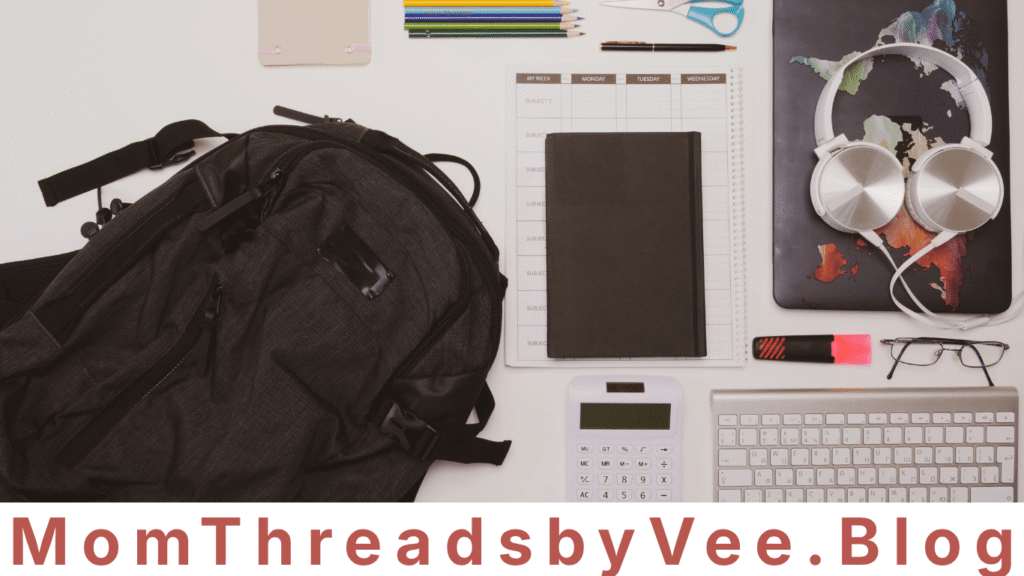
- Technology and Electronics for School
Technology has become an important part of school for many children, particularly older students.
Depending on your child’s school requirements, technology essentials might include:
- Laptop or tablet
- Headphones
- Keyboard or mouse
- Charger
- Protective case
- USB drive where required
- Calculator
- Internet access for homework
- Educational apps or software required by the school
However, don’t buy expensive electronics simply because they appear on a general back-to-school shopping list.
First find out what the school actually requires.
Some schools provide devices. Others have minimum specifications. Some may not require personal technology at all.
Related: Read our guide to “The Best Affordable Electronics for School: A Mom’s Guide” before spending money on school technology.
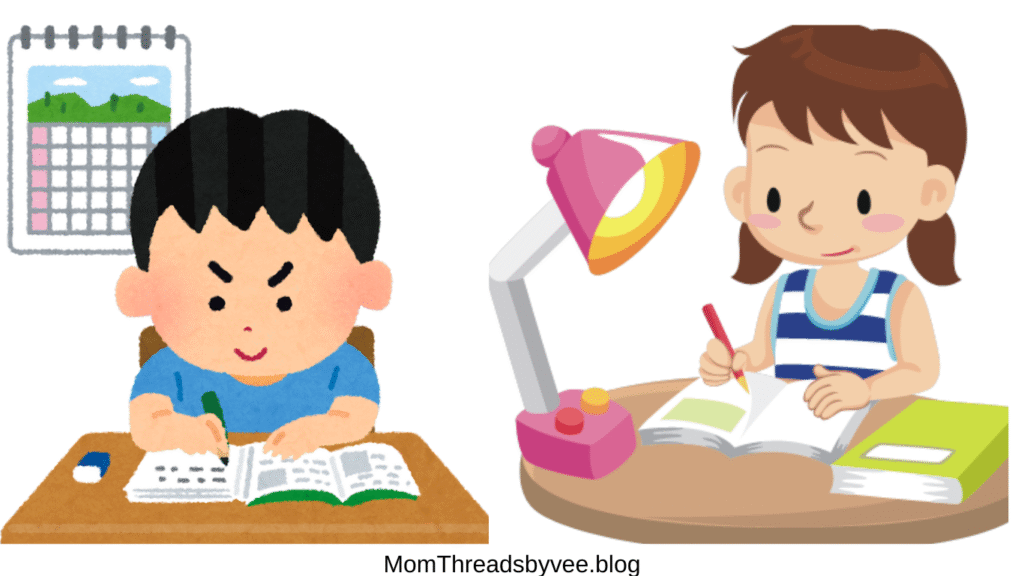
- Create a Simple Homework and Study Space
Your child does not necessarily need a large dedicated study room.
A small, organized area can be enough.
A useful study space might include:
- Desk or table
- Comfortable chair
- Good lighting
- Pencil holder
- Notebook storage
- Bookshelf or storage basket
- Calendar or planner
- Charging area for electronics
- Homework folder
For families living in smaller homes, a compact workstation can work surprisingly well.
Related: See our “DIY Home Workstation Ideas for Small Spaces” for practical ways to create a study area without needing a large room.
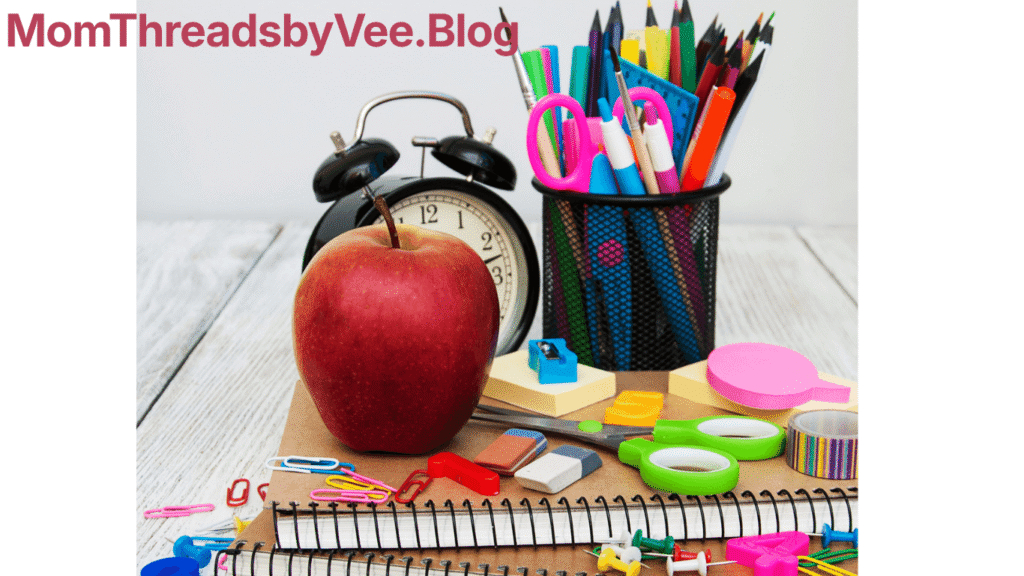
- Organization Essentials for a Smoother School Year
Organization is one of the most overlooked parts of back-to-school preparation.
A few simple tools can make school days easier for both parents and children.
Consider:
- Folders
- Binders
- Labels
- Storage boxes
- Pencil cases
- Homework folders
- Weekly planners
- Calendar
- School schedule
- Lunch-planning system
- Backpack organization system
Try a simple evening reset
Before bedtime, encourage your child to:
- Check the next day’s schedule.
- Pack their homework.
- Prepare their school clothes.
- Put their shoes where they can find them.
- Pack their lunch or lunch items where appropriate.
- Put their backpack in its designated place.
This can reduce the amount of rushing that happens the next morning.
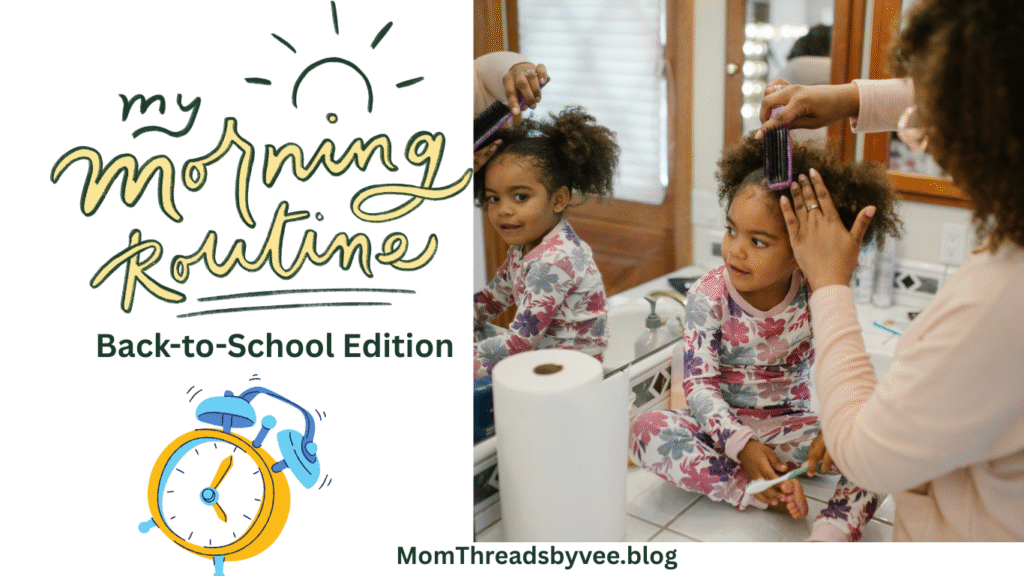
- Build a School Morning Routine
Back-to-school preparation isn’t only about shopping.
A predictable school morning routine can be just as valuable as having the right supplies.
A simple morning might look like:
Wake up → Clean Up →Get dressed → Eat breakfast → Brush teeth → Pack final items → Put on shoes → Leave
The exact routine will depend on your family.
The key is consistency.
During the first few days of school, your child may need more reminders.
Over time, age-appropriate responsibilities can gradually become part of their normal routine.
Related: Read our guide to “Back-to-School Morning Routine for Moms With School-Aged Kids”.
- Don’t Forget School Activities and Special Events
Some school years include more than classroom learning.
Your child may need additional items for:
- Physical education
- Sports
- Music
- Art
- Science activities
- Clubs
- Field trips
- School performances
- Spirit days
- School celebrations
Check the school calendar before shopping so you can prepare gradually rather than buying everything at the last minute.
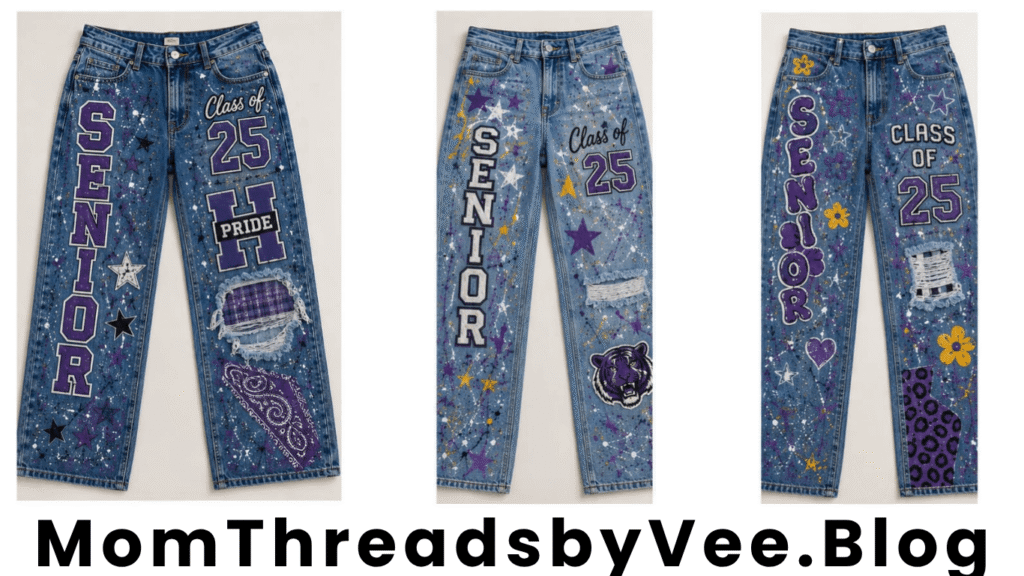
If your school has spirit events, a customized denim outfit can be a fun option where appropriate.
Related: Get inspiration from our “Creative DIY Spirit Jeans Ideas for School Events” .
- Back-to-School Beauty and Self-Care for Older Kids
Older children and teenagers may also want a few age-appropriate personal-care items as they return to school.
These could include:
- Hair-care essentials
- Simple skincare products
- Deodorant where age-appropriate
- Lip care
- Hair accessories
- Personal hygiene supplies
- Simple grooming items
For school events or non-uniform days, some older students may also enjoy experimenting with fun but school-appropriate style.
If your child enjoys nail polish, you can explore different colors while keeping the school’s dress-code requirements in mind.
Related: See “10 Affordable Nail Polish Colors That Instantly Elevate Your Look” for simple color inspiration, including back-to-school ideas.
- How to Save Money on Back-to-School Essentials
Back-to-school shopping can become expensive quickly, but you don’t have to buy everything brand new.
Here are some practical ways to save.
A. Take inventory first
Before shopping, check:
- Last year’s school supplies
- Backpacks
- Water bottles
- Lunch containers
- Pencil cases
- Electronics
- Shoes
- Clothing
You may already own several items on your list.
B. Prioritize necessities
Separate your shopping list into:
- Must-have: Required for school.
- Useful: Helpful but not immediately necessary.
- Want: Nice to have but optional.
C. Buy the must-haves first.
D. Compare prices
Check different stores and online options before purchasing expensive items.
Don’t assume the first price you see is the best price.
E. Buy durable items
A slightly more durable item may provide better value if your child can use it for longer.
Avoid unnecessary trends
Children may want the latest character, color, gadget, or fashion trend.
That doesn’t mean every trendy item needs to go into the shopping cart.
Choose what fits your child’s needs and your family’s budget.
- A Simple Back-to-School Shopping Strategy
Instead of doing one huge shopping trip, consider dividing your preparation into stages.
Stage 1: Check
Review the school’s requirements.
Stage 2: Inventory
Check what you already have.
Stage 3: Plan
Create your shopping list and budget.
Stage 4: Shop
Buy the necessities first.
Stage 5: Label
Add your child’s name to appropriate school items.
Stage 6: Organize
Set up school supplies, uniforms, lunch items, and technology.
Stage 7: Practice
Start adjusting bedtime and morning routines before school begins.
This approach can make the entire process feel much more manageable.
- What Should You Label?
Labeling school belongings can save parents and teachers a lot of confusion.
Consider labeling:
- Water bottles
- Lunch boxes
- School bags
- Pencil cases
- Jackets
- Sweaters
- Sports equipment
- Books and folders
- Electronics and chargers where appropriate
For younger children especially, simple labels can help them identify their belongings more easily.
- Back-to-School Essentials by Age
Not every child needs the same things.
Younger children
Prioritize:
- Easy-to-use backpack
- Basic stationery
- Uniforms
- Comfortable shoes
- Water bottle
- Lunch container
- Spare clothing where appropriate
- Simple organization tools
Elementary or primary school children
Focus on:
- School supplies
- Uniforms
- Lunch essentials
- Homework supplies
- Sports equipment
- Water bottle
- Age-appropriate technology if required
Tweens and teenagers
They may need:
- More notebooks and folders
- School planner
- Laptop or tablet if required
- Headphones
- Calculator
- Personal-care items
- Sports or activity equipment
- More specialized school supplies
Always use the school’s official requirements as your final guide.
- What You Don’t Need to Buy Immediately
One of the easiest ways to overspend during back-to-school season is buying everything before you know what your child actually needs.
You may want to wait on:
- Extra stationery
- Expensive technology
- Large quantities of supplies
- Trendy accessories
- Specialized equipment
- Duplicate lunch containers
- Decorative organization products
Start with the essentials.
You can always buy additional items later when you know they’re necessary.
- The Ultimate Back-to-School Essentials Checklist
Use this as a quick reference before the new school year begins.
School supplies
- Notebooks or exercise books
- Pencils
- Pens
- Erasers
- Sharpener
- Ruler
- Colored pencils or crayons
- Markers
- Glue
- Scissors
- Pencil case
- Folders
- Required school-specific supplies
Clothing
- School uniforms
- School shirts/blouses
- Trousers, skirts, or shorts
- Sweater/cardigan
- Sportswear
- School socks
- Underwear
- School shoes
- Sports shoes
- Weather-appropriate clothing
Backpack and lunch
- Backpack
- Lunch box
- Water bottle
- Food containers
- Reusable utensils
- Lunch bag if needed
Technology
- Laptop/tablet if required
- Charger
- Protective case
- Headphones
- Calculator if required
- Other school-required technology
Organization
- Folders
- Labels
- Planner
- Calendar
- Homework storage
- Study space
- Backpack organization system
Personal care
- Tissues
- Wipes
- Hair-care items
- Personal hygiene supplies
- Spare clothing where appropriate
Activities
- Sports equipment
- PE clothing
- Art supplies
- Music supplies
- Field-trip items
- School-event clothing
- How to Prepare Your Child the Week Before School Starts
The final week before school doesn’t have to be chaotic.
Use it to gradually transition your family back into school mode.
Check the school calendar
Look for:
- First day
- Start time
- Pickup arrangements
- Uniform requirements
- Special events
- Lunch arrangements
- Transportation information
Prepare clothing
Wash and organize uniforms and school clothes.
Pack school bags
Put the everyday essentials in the backpack.
Organize supplies
Keep school supplies in one accessible location.
Prepare lunch ideas
Choose a few simple meals your child enjoys.
Practice the morning routine
Start waking up and going to bed at school-appropriate times.
Have a calm conversation
Talk to your child about returning to school, especially if they’re nervous about a new class, teacher, school, or routine.
Frequently Asked Questions About Back-to-School Essentials for Kids
The most important essentials usually include school supplies, uniforms or appropriate clothing, comfortable shoes, a backpack, lunch and water containers, personal-care items, and any technology or activity supplies required by the school.
Start with items your child’s school specifically requires. Check what you already have at home before shopping, then prioritize school uniforms, shoes, basic supplies, backpack, lunch essentials, and required technology.
Create a budget, take inventory of items you already own, prioritize necessities, compare prices, reuse supplies where possible, and avoid buying optional or trendy products before you know they are needed.
There is no universal number because it depends on your school’s requirements, laundry schedule, weather, and budget. Having enough clean uniform combinations to make it through several school days can make mornings and laundry easier.
No. Technology requirements vary considerably by school and age. Check your child’s school’s requirements before purchasing a laptop, tablet, or other expensive electronic device.
A typical backpack may contain school supplies, homework materials, a water bottle, lunch, and other school-required items. Avoid overloading the bag with unnecessary belongings.
Prepare uniforms, backpacks, lunches, and other essentials the night before. A consistent evening and morning routine can reduce rushing and help children become more independent.
Prioritize items that are required immediately, check whether you already own or can reuse certain supplies, compare prices, and ask the school which items are genuinely essential before purchasing everything.
Start as soon as you have the school’s requirements and enough information to know what your child needs. Shopping gradually can make it easier to spread out expenses and avoid last-minute purchases.
Review the school requirements, organize supplies, prepare uniforms and shoes, check technology, plan lunches, organize the backpack, and gradually re-establish a consistent sleep and morning routine.
Final Thoughts:Back-to-School Preparation Doesn’t Have to Be Perfect
Preparing kids for a new school year isn’t about buying the biggest backpack, the newest gadgets, or every item that appears on a shopping list.
It’s about making sure your child has the essential tools, clothing, supplies, routines, and support they need to start the school year confidently.
Start with the school’s requirements. Check what you already own.
Create a realistic budget.
Prioritize the essentials, and prepare gradually instead of leaving everything until the last minute.
Most importantly, remember that a successful back-to-school season is about more than shopping.
It’s also about creating routines, organizing your child’s space, planning practical meals, preparing clothes, and helping your child feel ready for what comes next.
Use this back-to-school essentials checklist for kids as your starting point, then adapt it to your child’s age, school, activities, and individual needs.
And when you need more detailed help, explore our other back-to-school guides for school lunches, morning routines, school uniforms, electronics, study spaces, and fun school-event ideas.
You May Also Like:
Back-to-School Morning Routine for Moms with School-Aged Kids
20 Easy Breakfast Bowl Ideas for Busy Moms and Kids
Senior Spirit Jeans Ideas: Creative DIY Denim Designs for School Events