
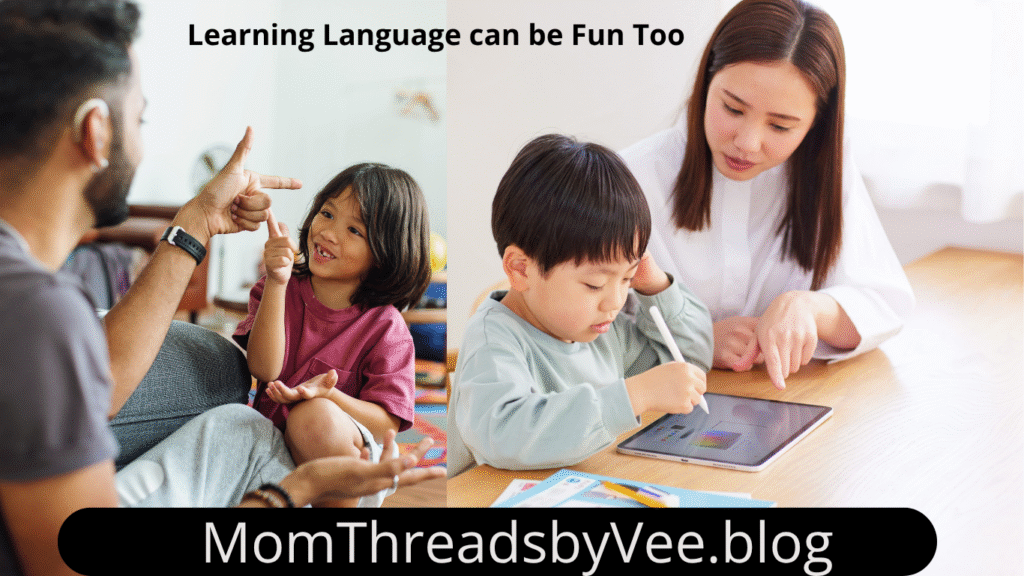
Learning your native language together with your child is a wonderful way to connect with your culture, heritage, and each other. It might feel challenging when you’re still learning the language yourself, but don’t worry! With a little patience and the right tools, you and your child can support each other every step of the way.
Here’s a simple guide to help you both enjoy this language learning journey.
- Practical Tips to Support Both You and Your Child
- Create a Language-Rich Environment: Surround your child with the native language through songs, stories, cartoons, and daily conversations. The more they hear it, the easier it is to learn.
- Learn Together: Treat language learning as a shared adventure. Practice words and phrases side by side, and don’t worry about mistakes—children learn best when they see you trying.
- Keep It Simple and Consistent: Use simple, repeated phrases during everyday activities. Consistency helps both of you remember and use the language naturally.
- Read and Listen Daily: Find children’s books, audio stories, and songs in your native language. Even if your pronunciation isn’t perfect, reading aloud builds familiarity.
- Connect with Native Speakers: If possible, involve family members or friends who speak the language fluently to give your child authentic exposure.
- Make Learning Fun: Use games, rhymes, and songs to keep your child excited and engaged.
- Be Patient and Positive: Celebrate small wins and avoid pressure. Language learning takes time, and encouragement goes a long way.
- A Simple Daily Language Learning Plan for You and Your Child
Here’s a short, flexible routine you can follow every day to build language skills without feeling overwhelmed:
- Morning (5–10 minutes)
Practice 3–5 simple words or phrases together. Use gestures, point to objects, and say the words aloud to make it interactive.
- Midday (5–10 minutes)
Sing a native language song, play a game, or watch a short children’s video in the language. This keeps learning fun and varied.
- Evening (5–10 minutes)
Read a children’s book or tell a simple story in your native language. Focus on repeating key words and engaging with pictures.
- Throughout the Day
Use native language words casually during routines—like mealtime, getting dressed, or running errands. The more natural the use, the better.
- Resources and Apps to Help You Learn Together
To make your journey easier and more enjoyable, check out these helpful apps and websites:
- Duolingo Kids: Engaging lessons designed for kids to build vocabulary and confidence.
- LingoKids: Interactive games, songs, and stories that parents and children can enjoy together.
- Mango Languages: Conversational phrases and cultural tips, with a family-friendly mode.
- YouTube Kids: Search for native language children’s songs and stories to enjoy anytime.
- Storyberries: Free illustrated stories available in many languages for bedtime reading.
- Memrise: Vocabulary and phrase learning with images and audio, great for beginners.
- Tandem & HelloTalk: Apps for parents to connect with native speakers and practice alongside their kids.
Final Thoughts
Remember, learning a language is a journey — one full of small wins and joyful moments. By learning together with your child, you’re creating a lifelong bond and nurturing a love for your native language and culture.
Start small, be consistent, and celebrate every step forward. You’ve got this!
You May Also Like:
How to Make Grooming Fun and Build a Closer Relationship with Your Child.