
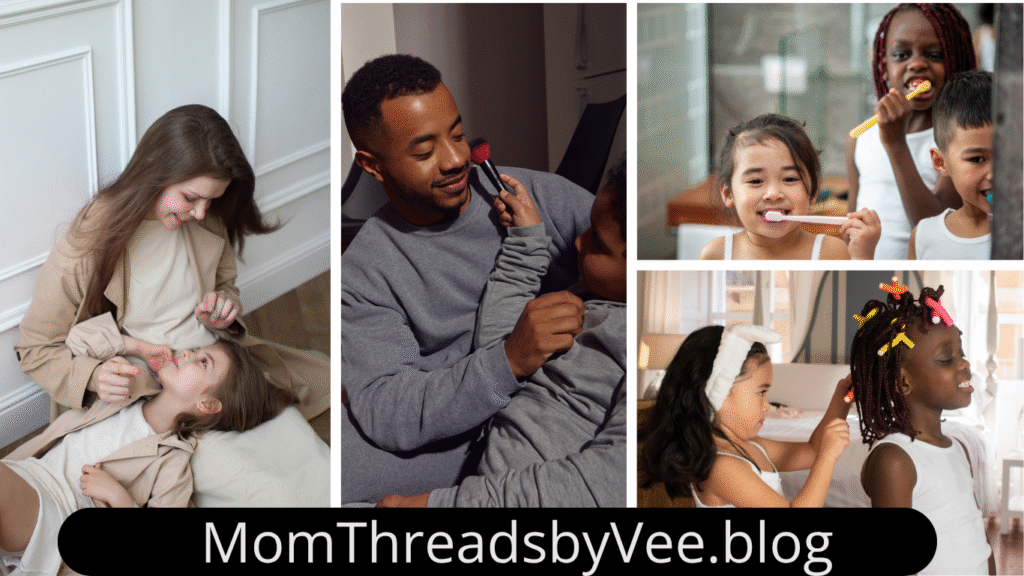
As a mom, one of the most rewarding yet sometimes challenging parts of parenting is helping your child develop good habits and meaningful relationships. Grooming and friendships might seem like two very different topics, but they both play an important role in your child’s self-esteem, confidence, and social skills. The good news? Both can be approached intentionally and turned into beautiful bonding experiences.
Making Grooming Fun and a Special Time Together
Getting your child to brush their teeth, comb their hair, or wash up can sometimes feel like a battle. But grooming is more than just keeping clean. It’s a chance to teach independence, responsibility, and self-care, while also bonding with your little one. Here are some tips to turn grooming time into something fun and meaningful:
- Turn Grooming into Play:
Use songs, timers, or games to make tasks like brushing teeth exciting. For example, challenge your child to brush for the length of their favorite song or race against a timer.
- Let Them Choose Their Tools:
Take your child shopping for a toothbrush with their favorite character or colorful bath toys. Ownership encourages enthusiasm.
- Create a Grooming Ritual:
Make grooming a predictable and comforting part of the day where you chat about their day, share stories, or plan fun things together. This turns routine into quality time.
- Praise and Encourage:
Celebrate small wins with positive words or a sticker chart. Positive reinforcement helps build lasting habits and confidence.
- Involve Your Child in Decisions:
Let them pick their outfit or hairstyle sometimes. Giving them control helps them feel independent and proud of their choices.
- Model Good Habits:
Show your child how you groom yourself and do it alongside them. Kids learn a lot by watching you.
By making grooming a joyful and loving part of your day, you’re not only helping your child stay clean but also teaching them to value themselves.
Cultivating Intentional Friendships with Your Child
Friendships are powerful. They shape how your child sees themselves and the world. Intentional friendships mean choosing and nurturing relationships that support your child’s growth, happiness, and values. Here’s how to help your child build intentional friendships:
- Be Their Safe Space:
Encourage open conversations and listen without judgment. When your child feels heard, they are more likely to share their social experiences honestly.
- Teach Empathy and Kindness:
Model and encourage thoughtful behavior. Talk about feelings, respect, and how to be a good friend.
- Facilitate Thoughtful Playdates:
Invite friends who have positive influences and encourage activities that build cooperation and respect.
- Set Boundaries:
Help your child understand what is acceptable in friendships and when to step back from unhealthy relationships.
- Celebrate Differences:
Teach your child to appreciate friends from diverse backgrounds and with different opinions. This builds social awareness and respect.
- Ask Open-Ended Questions:
Regularly check in with your child about their friendships — what they enjoy, challenges they face, and how they feel. This deepens connection and understanding.
- Join Their World:
Occasionally participate in their social activities to see how they interact and to support their friendships.
Intentional friendships aren’t just about having many friends, but about building meaningful, supportive relationships that help your child grow into a confident, kind, and socially aware person.
Final Thoughts
Parenting is a journey filled with moments big and small that shape your child’s life. By turning grooming time into a fun bonding activity and guiding your child to cultivate intentional friendships, you’re helping them build a strong foundation for self-care and social success. These simple but powerful habits will serve them well beyond childhood, and your connection with your child will grow even deeper along the way.
You May Also Like:
Helping Your Child Learn Their Native Language — Even When You’re Still Learning Too.
DIY Homework Station Ideas for Small Spaces
Back-to-School Morning Routine for Moms with School-Aged Kids


Pingback: Helping your child learn their native language - Even when you are still learning too